
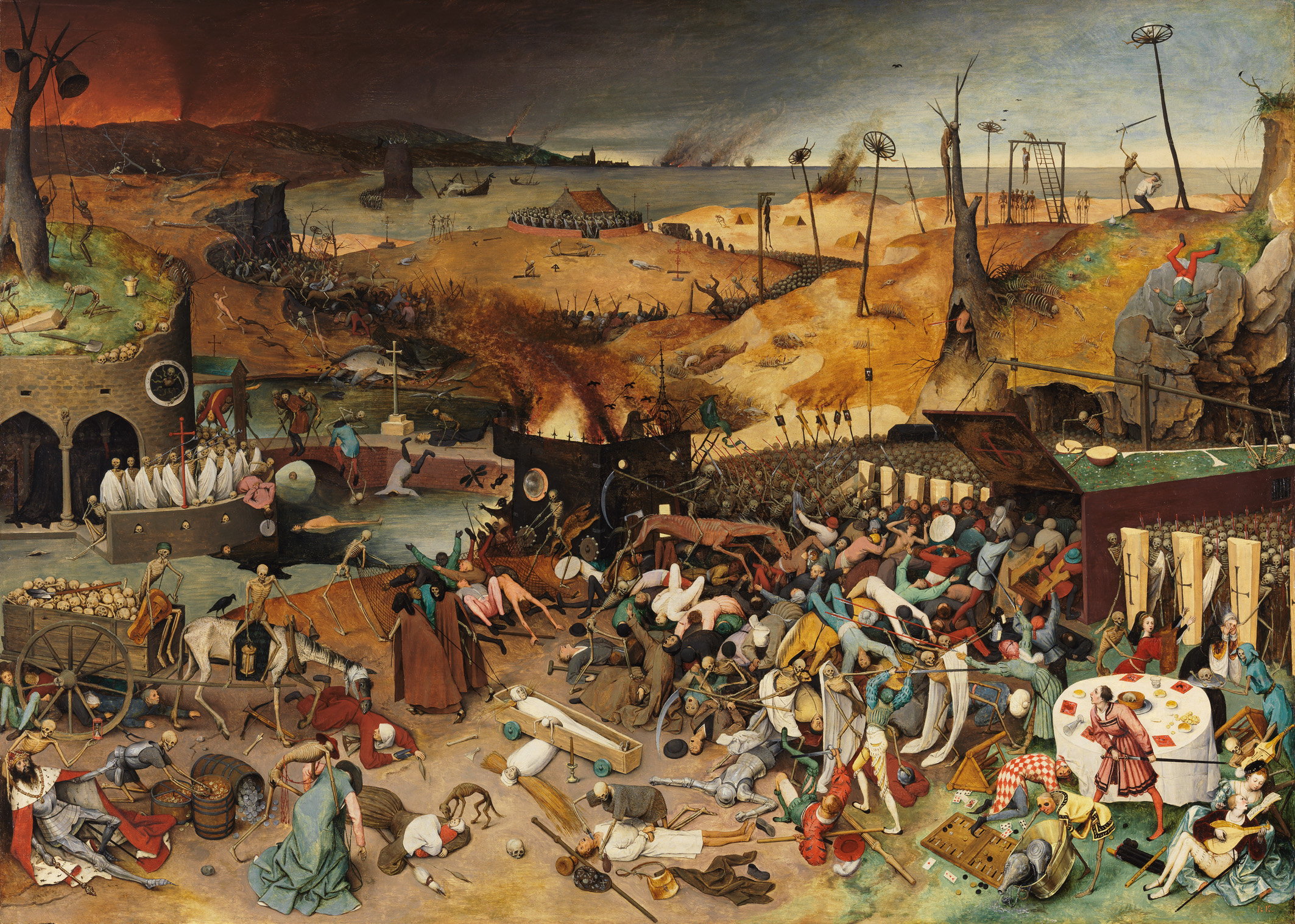
How did ancient societies confront catastrophe, and what can their responses reveal about our own world? This course investigates themes related to natural and human-made disasters in the ancient Mediterranean, exploring how communities endured, interpreted, and rebuilt in the wake of crisis. Drawing on archaeological evidence, ancient texts, and modern scholarship, we will consider the causes and aftermaths of events like the eruption of Vesuvius, the fires and floods of Rome, the Antonine Plague, and other moments of environmental and social upheaval. Disasters tested the strength of governments, exposed social inequality, fueled religious fear and political unrest, and forced ancient communities to rebuild in the face of uncertainty. By examining how ancient peoples understood and responded to disaster, students will explore broader themes of resilience, vulnerability, memory, and survival while drawing connections to contemporary challenges such as pandemics, climate change, and urban disasters. Combining history, archaeology, environmental studies, and science, this course offers an exciting introduction to the ancient world through some of its most dramatic moments.
- Teacher: RosenthalCrystal