
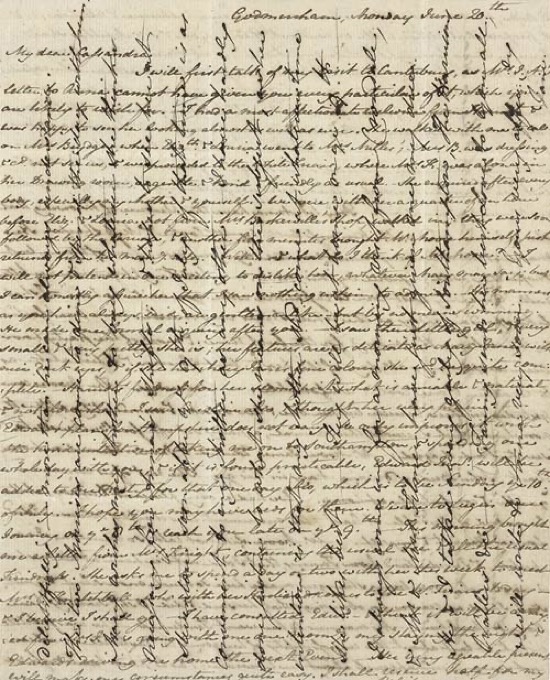
This course has three goals: it serves as an introduction to historical thought for History Majors; it helps prepare you to succeed in upper-division courses in the History Department, and it starts you on the road to writing your SIP. Throughout the quarter, you will develop your research, writing, and critical thinking skills to become more productive researchers, insightful readers, and effective writers.
The course will introduce you to the various approaches and conceptual frameworks used by professional historians to reconstruct and interpret the past. Historiography, or the history of historical thought and writing, is an important part of this course. During the first half of the term, we will learn about the craft of history, including its history as a discipline and the development of various ideologies, approaches, and methods of historical writing. By reading and analyzing other historians’ arguments and research, you will sharpen your own skills as a historian. During the second half of the term, we will practice the craft of history as you conduct a research project on your own utilizing the skills and ideas presented earlier in the class.
Throughout the course, we will consider the issues and questions historians explore and debate today. What is the purpose of history? Whose past should we reconstruct? What sort of questions should we ask about the past? How do we find the answers? Are there really answers or a real truth? What is the role of evidence, memory, and narrative in constructing views of the past? Can historians be objective? How do we explain and argue our research findings and analysis?
The course will introduce you to the various approaches and conceptual frameworks used by professional historians to reconstruct and interpret the past. Historiography, or the history of historical thought and writing, is an important part of this course. During the first half of the term, we will learn about the craft of history, including its history as a discipline and the development of various ideologies, approaches, and methods of historical writing. By reading and analyzing other historians’ arguments and research, you will sharpen your own skills as a historian. During the second half of the term, we will practice the craft of history as you conduct a research project on your own utilizing the skills and ideas presented earlier in the class.
Throughout the course, we will consider the issues and questions historians explore and debate today. What is the purpose of history? Whose past should we reconstruct? What sort of questions should we ask about the past? How do we find the answers? Are there really answers or a real truth? What is the role of evidence, memory, and narrative in constructing views of the past? Can historians be objective? How do we explain and argue our research findings and analysis?
- Teacher: CarrollChristina