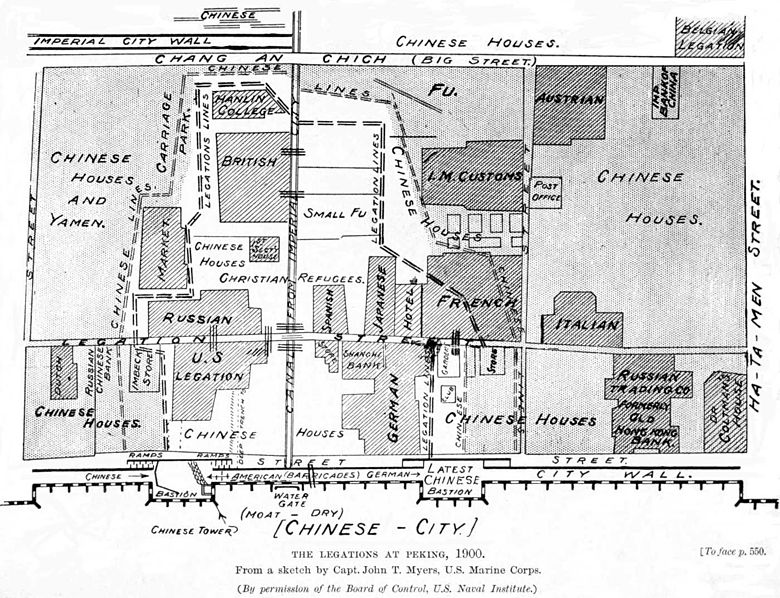
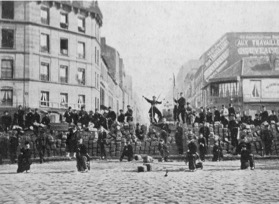
This course provides an overview of the major events, themes, and problems that characterized European history between the eighteenth and twenty-first centuries. We will look critically at the wars, political and economic revolutions, and new intellectual developments that shaped Europe over this period: we will also examine how nation-building, imperial expansion, decolonization, division, and unity have marked its ideological and physical landscape.
- Teacher: Christina Carroll
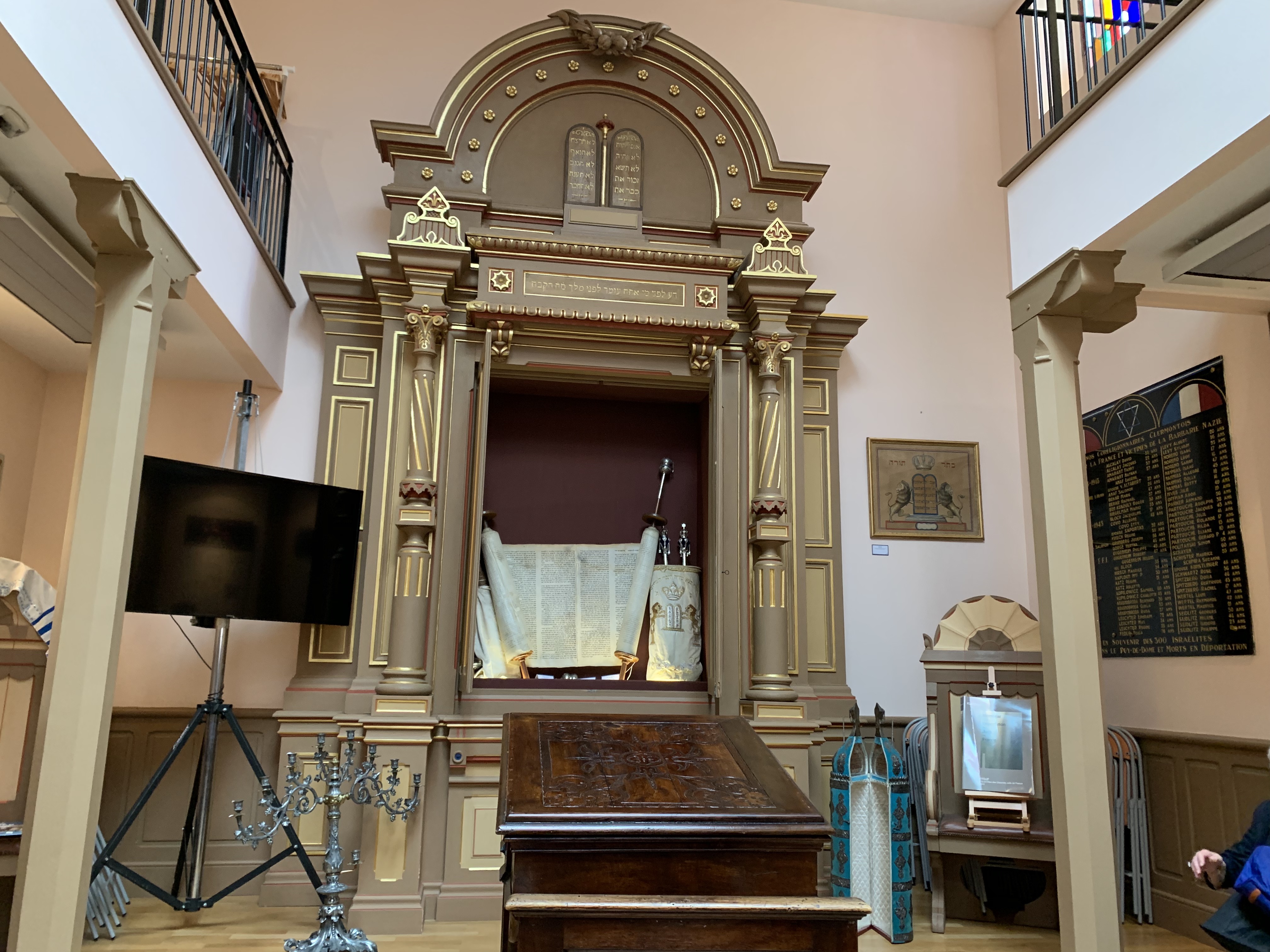
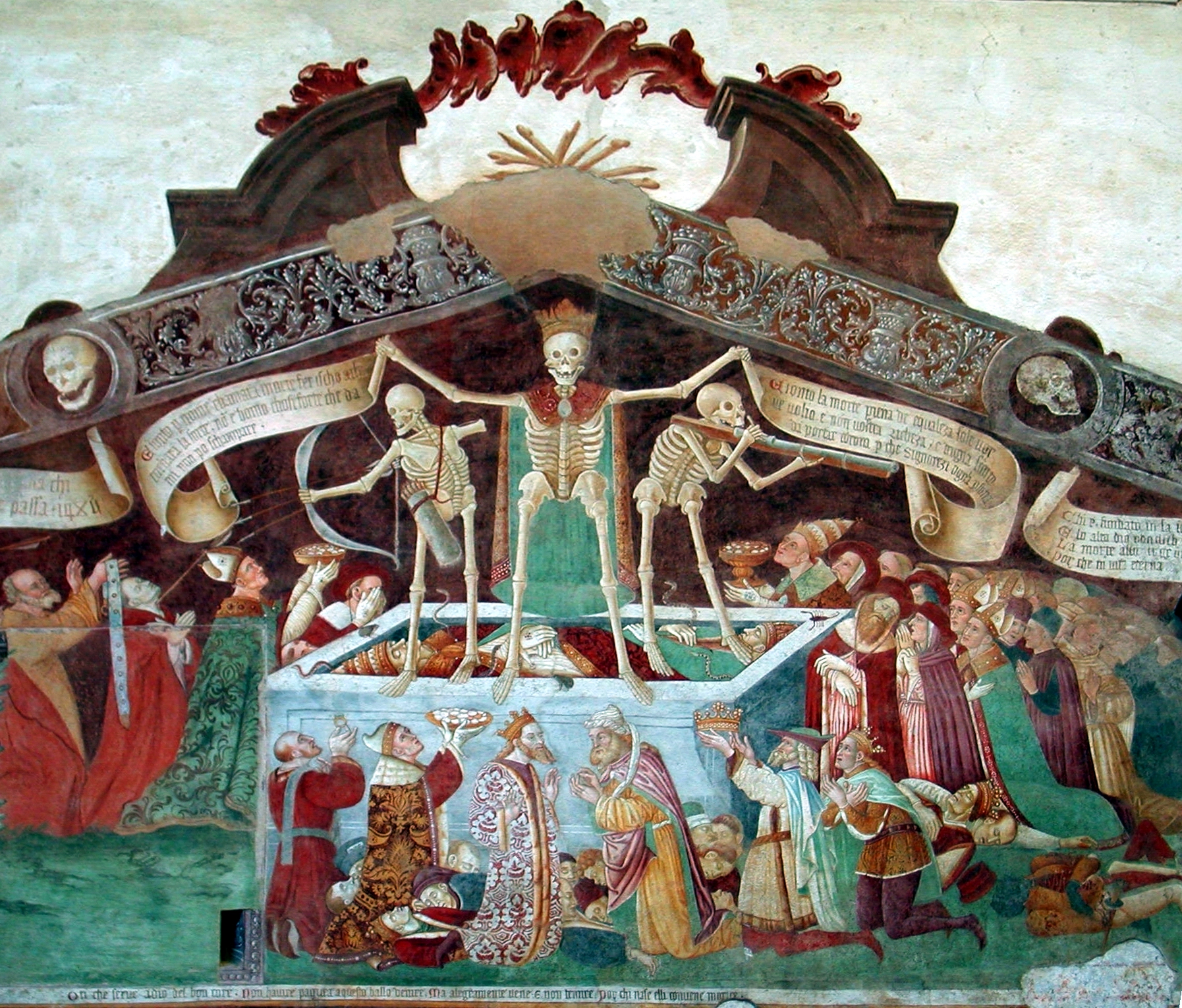

This class explores the history of migration in and outside of Europe between 1850 and the early 2000s and considers how that history intersected with the history of nationalism and imperialism in Modern Europe. We'll reflect on the experiences of migrants and refugees at different historical moments; we'll also consider how people on the move were shaped by and challenged national and imperial borders. And finally, we will consider how migration affected ideas about belonging, citizenship, and human rights in a variety of European countries.
- Teacher: Christina Carroll